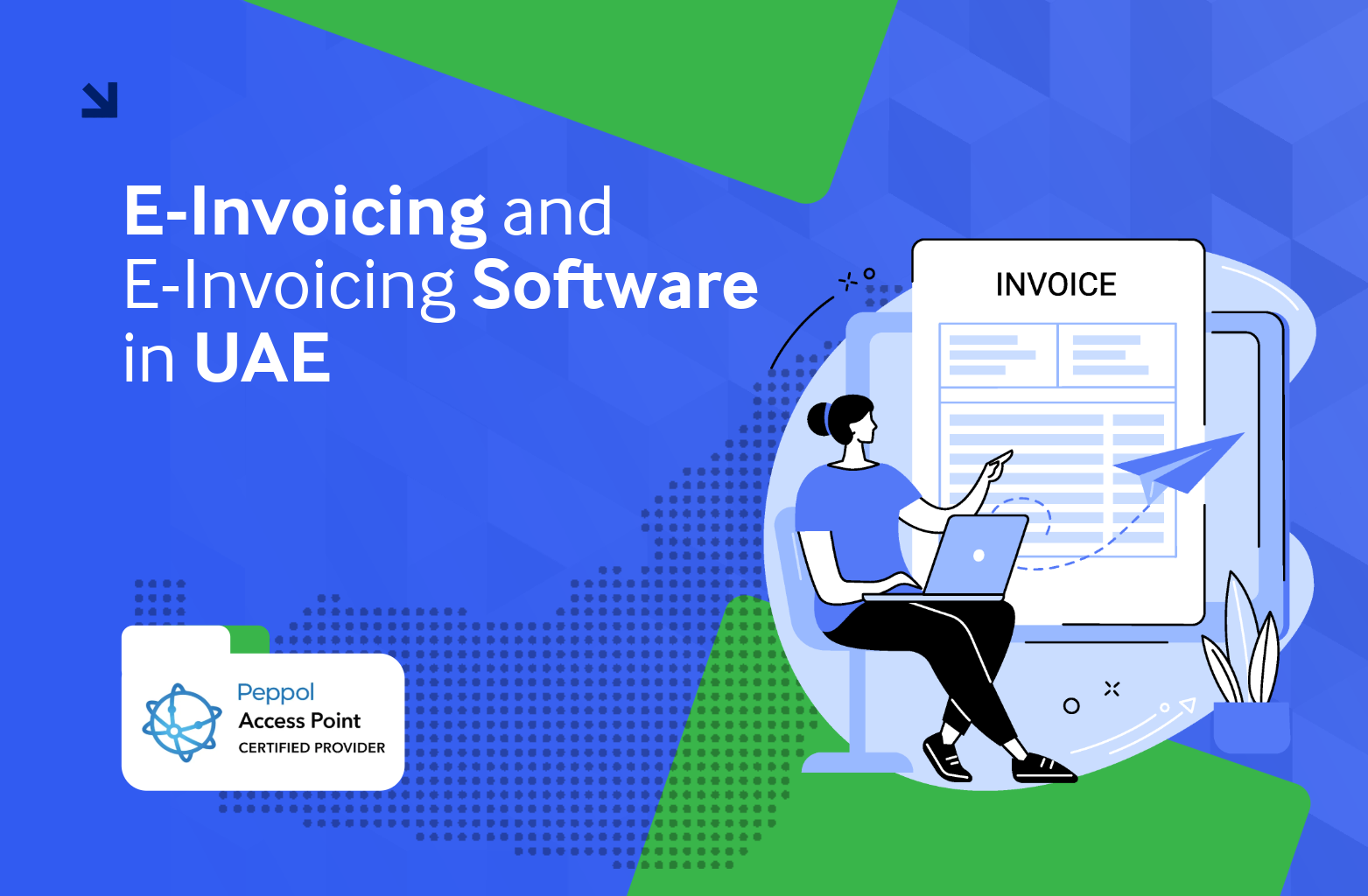
E-invoicing is no longer optional for modern businesses — it’s a strategic tool that speeds up cash flow, reduces errors, and keeps companies audit-ready. For firms operating in the UAE, choosing the right e-invoicing software or e-invoicing solution is especially important: it helps meet VAT requirements, secures payment cycles, and integrates billing into the broader finance ecosystem. This article explains e-invoicing, why you need e-invoicing software, what to look for in an e-invoicing solution in the UAE, and how to implement it without disrupting operations.
E-invoicing means generating, transmitting, and receiving invoices in a structured electronic format that software systems can process automatically. Unlike PDFs or scanned paper invoices, e-invoices use machine-readable data fields so accounting systems and ERPs can validate, post, and reconcile invoices without manual entry. That reduces human error and dramatically shortens invoice creation and payment time.
Investing in reliable e-invoicing software delivers tangible benefits across finance, compliance, and operations:
For businesses in the UAE, using e-invoicing software tailored to the market matters for three reasons: regulatory alignment, integration with local banking and finance workflows, and data security. When evaluating e-invoicing software in UAE, consider these points:
Not all e-invoicing solutions are created equal. The best e-invoicing software offers a balanced mix of functionality and flexibility:
Implementing e-invoicing doesn’t have to be disruptive. Follow a pragmatic roadmap:
1. What is e-invoicing and how does it work?
E-invoicing is the process of creating, sending, and receiving invoices in a structured digital format. Unlike scanned copies or PDFs, e-invoices use machine-readable data that accounting systems and ERPs can automatically process, validate, and reconcile. This reduces manual work and speeds up payment cycles.
2. Is e-invoicing mandatory in the UAE?
Currently, e-invoicing is not fully mandatory in the UAE, but businesses are strongly encouraged to adopt it to align with VAT compliance, government digital initiatives, and future-ready finance processes. Many companies are adopting e-invoicing early to stay compliant and competitive.
3. Which are the best e-invoicing software providers in the UAE?
Some of the best e-invoicing software providers in the UAE are those that offer VAT-compliant, cloud-based solutions with local integrations. Providers like SMARTeIS by Skill Quotient is one of the popular choices for UAE businesses.
4. How to choose the right e-invoicing solution for my business?
Look for software that:
6. How do I integrate e-invoicing software with my existing ERP or accounting system?
Most modern e-invoicing software providers in the UAE offer APIs or pre-built connectors for systems like Tally, QuickBooks, SAP, and Oracle. Integration ensures invoices are automatically synced without manual uploads.
7. Does e-invoicing software in the UAE comply with VAT regulations?
Yes. Leading e-invoicing solutions in the UAE are designed to comply with VAT rules, ensuring invoices have the required fields (TRN, VAT percentage, tax amount, etc.). Always confirm with your provider that the software is VAT-ready.
8. What is the difference between e-invoicing and digital invoicing (PDF/Email invoices)?
9. How much does e-invoicing software cost in the UAE?
Pricing depends on the provider and features. Basic cloud solutions for SMEs may start from AED 100–200 per month, while enterprise-grade solutions with ERP integration may cost more. Always compare based on compliance and scalability.
10. Can e-invoicing help small and medium businesses (SMEs) in the UAE?
Absolutely. SMEs benefit from faster payments, fewer disputes, reduced paperwork, and improved VAT compliance. E-invoicing also helps them project professionalism and build trust with clients and government authorities.
E-invoicing is a practical, high-impact upgrade for any finance organization. The right e-invoicing software removes manual work, strengthens compliance, and gives finance teams the data they need to make better decisions. For businesses operating in the UAE, prioritizing an e-invoicing solution that understands local VAT rules, integrates smoothly with existing systems, and protects sensitive financial data will pay dividends in efficiency and control.