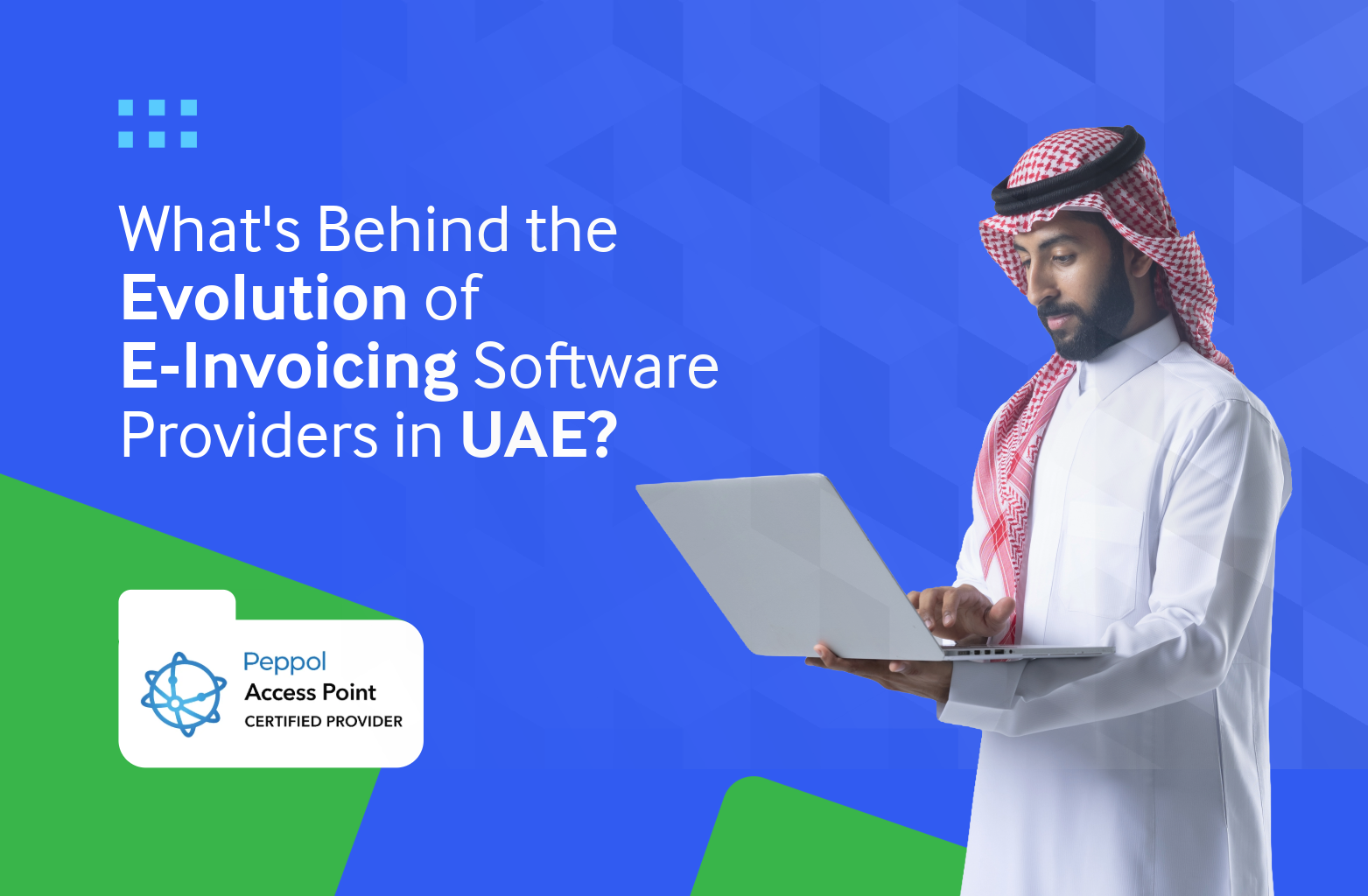
The United Arab Emirates stands at the precipice of a digital transformation that promises to revolutionize how businesses handle invoicing and financial transactions. As the country prepares for mandatory e-invoicing software implementation by 2026, the e-invoicing solution provider landscape is rapidly evolving to meet new regulatory demands and business needs.
The UAE’s journey toward mandatory e-invoicing represents more than just a technological upgrade—it’s a fundamental shift in how businesses operate in the digital economy. This transformation has been years in the making, with the government laying groundwork through various digital initiatives and now culminating in comprehensive electronic invoicing software legislation.
The Ministry of Finance has established a clear roadmap for this transformation, with key milestones marking the evolution of the entire e-invoicing solution in UAE ecosystem. The approach demonstrates the UAE’s commitment to becoming a global leader in digital governance and business efficiency through PEPPOL e-invoicing standards.
The UAE has established a phased implementation approach with the following key milestones for FTA-Accredited E-Invoicing Software in UAE:
While initially planned for July 2025, the implementation has been delayed until July 2026 due to technical considerations. This adjustment reflects the government’s commitment to ensuring a smooth transition for all e-invoicing solution providers rather than rushing implementation.
A crucial development is that e-invoicing software providers can only offer electronic invoicing services in the UAE after obtaining accreditation from the Ministry of Finance. This requirement has created a new category of providers known as Accredited Service Providers (ASPs), which will serve as the backbone of the UAE’s best e-invoicing software infrastructure.
The accreditation process ensures that only qualified e-invoicing partners with robust technical capabilities and FTA compliant e-invoicing solution frameworks can participate in the ecosystem. This approach mirrors successful PEPPOL e-invoicing implementations in other regions while addressing the UAE’s specific regulatory and business environment.
The e-invoicing mandate has prompted established providers to evolve their offerings significantly. While ERP systems like SAP, Zoho, or Odoo can generate invoices, they don’t handle end-to-end compliance requirements out of the box, necessitating substantial platform enhancements for e-invoicing solution in UAE compatibility.
Major Electronic Invoicing Software Players Include:
A new breed of specialized e-invoicing partners has emerged, focusing exclusively on PEPPOL e-invoicing compliance and related services. Companies like Pagero have positioned themselves as comprehensive compliance partners, offering end-to-end e-invoicing solution for UAE businesses that bridge the gap between existing business systems and regulatory requirements.
The evolution has also seen the rise of cloud-native e-invoice software designed specifically for the digital-first business environment. These best e-invoicing software providers offer advantages in scalability, accessibility, and integration capabilities that traditional on-premise solutions struggle to match in the PEPPOL e-invoicing UAE landscape.
Modern e-invoicing solution in UAE market have evolved to prioritize seamless integration with existing business systems. This evolution addresses one of the primary concerns businesses had about electronic invoicing software implementation—the disruption to established workflows.
The latest generation of e-invoicing software providers incorporates artificial intelligence and machine learning capabilities to automate compliance checking, data validation, and exception handling. This technological advancement significantly reduces the manual effort required for e invoice system processing while improving accuracy for FTA compliant e-invoicing solutions.
The exchange of electronic invoices will happen through the ASPs’ systems, requiring e-invoicing solution providers to develop robust real-time processing capabilities. This has driven significant infrastructure investments and technological innovations across the PEPPOL e-invoicing provider landscape.
Recognizing that SMEs form the backbone of the UAE economy, many e-invoicing partners have developed specialized solutions targeting this segment. These e-invoice software solutions emphasize ease of use, affordability, and minimal technical requirements while maintaining full FTA-Accredited E-Invoicing Software capabilities.
For larger organizations, e-invoicing software providers have evolved comprehensive platforms that integrate electronic invoicing with broader enterprise resource planning and financial management systems. These top e-invoicing solutions in UAE often include advanced analytics, multi-entity support, and extensive customization options for PEPPOL e-invoicing compliance.
The evolving regulatory landscape has required e-invoicing solution providers to build flexible, updatable systems that can adapt to changing FTA compliant e-invoicing solution requirements. This has led to the development of modular architectures that allow for rapid updates and feature additions in best e-invoicing software platforms.
Given the sensitive nature of financial data, e-invoicing software providers have invested heavily in security infrastructure, encryption technologies, and compliance certifications. This focus on security has become a key differentiator in the e invoice system market, particularly for PEPPOL e-invoicing UAE solutions.
Accredited Service Providers (ASPs) serve as government-mandated platforms responsible for final validation, e-signature, and exchange of electronic invoices, creating new integration requirements that e-invoicing solution in UAE providers must address through sophisticated API architectures and middleware solutions.
As the 2026 deadline approaches, the e-invoicing partner ecosystem is rapidly maturing. We’re seeing consolidation among smaller players, strategic partnerships between technology providers and consulting firms, and significant investment in infrastructure and capabilities for top e-invoicing solution providers.
The mandatory nature of electronic invoicing software in the UAE is driving innovation in areas such as:
Many UAE-focused e-invoicing solution providers are positioning themselves for regional expansion, leveraging their experience with UAE regulations to serve other GCC markets implementing similar digital transformation initiatives with PEPPOL e-invoicing standards.
Organizations should begin evaluating their current invoicing processes and identifying gaps that need to be addressed before the 2026 mandate. This includes assessing current e invoice system capabilities, data quality, and integration requirements with FTA-Accredited E-Invoicing Software.
When selecting an e-invoicing solution provider, businesses should consider:
The evolution of e-invoicing software providers reflects broader changes in how businesses operate in the digital economy. Organizations that embrace this electronic invoicing software transformation early will be better positioned to leverage the efficiency gains and competitive advantages that best e-invoicing software enables.
The evolution of e-invoicing solution providers in the UAE represents a microcosm of the country’s broader digital transformation ambitions. As we approach the 2026 implementation deadline, the electronic invoicing software landscape continues to evolve rapidly, driven by regulatory requirements, business needs, and technological innovation in PEPPOL e-invoicing standards.
This transformation is creating opportunities for both established e-invoicing partners to reinvent their offerings and new players to enter the market with innovative FTA compliant e-invoicing solutions. For businesses operating in the UAE, understanding this evolving landscape of e invoice software providers is crucial for making informed decisions about their digital transformation journey.
The success of the UAE’s e-invoicing initiative will depend largely on the quality and capabilities of these e-invoicing solution in UAE providers. As the ecosystem matures, we can expect to see continued innovation, improved user experiences, and greater integration between electronic invoicing systems and broader business processes through top e-invoicing solutions.
The journey toward digital invoicing in the UAE is not just about compliance with FTA-Accredited E-Invoicing Software requirements—it’s about embracing a more efficient, transparent, and data-driven approach to business operations that will serve as a foundation for future growth and innovation in the best e-invoicing software landscape.